Endangered species: Pioneering action uses artificial reproduction techniques to save muriquis
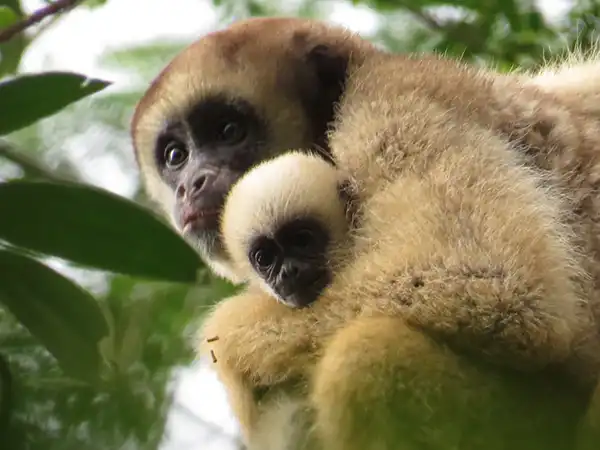
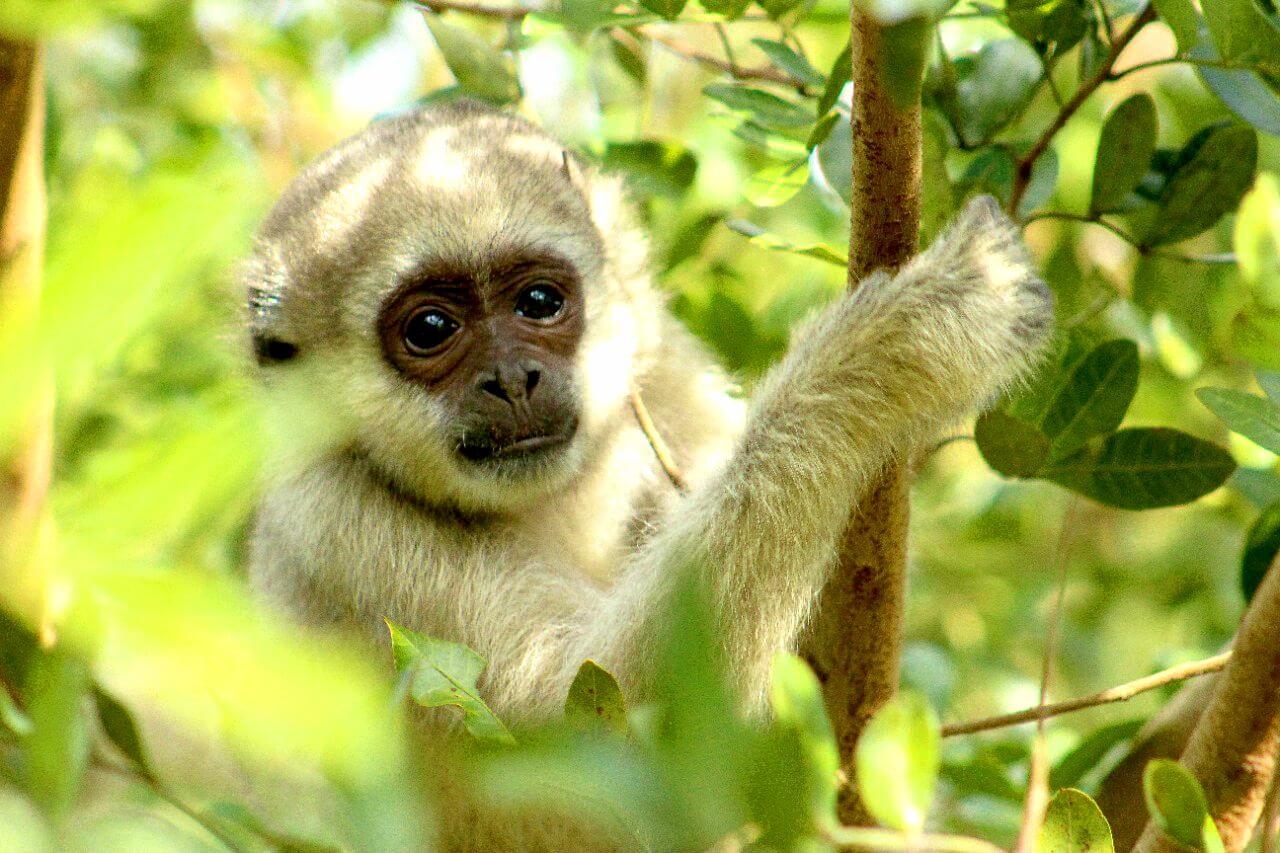
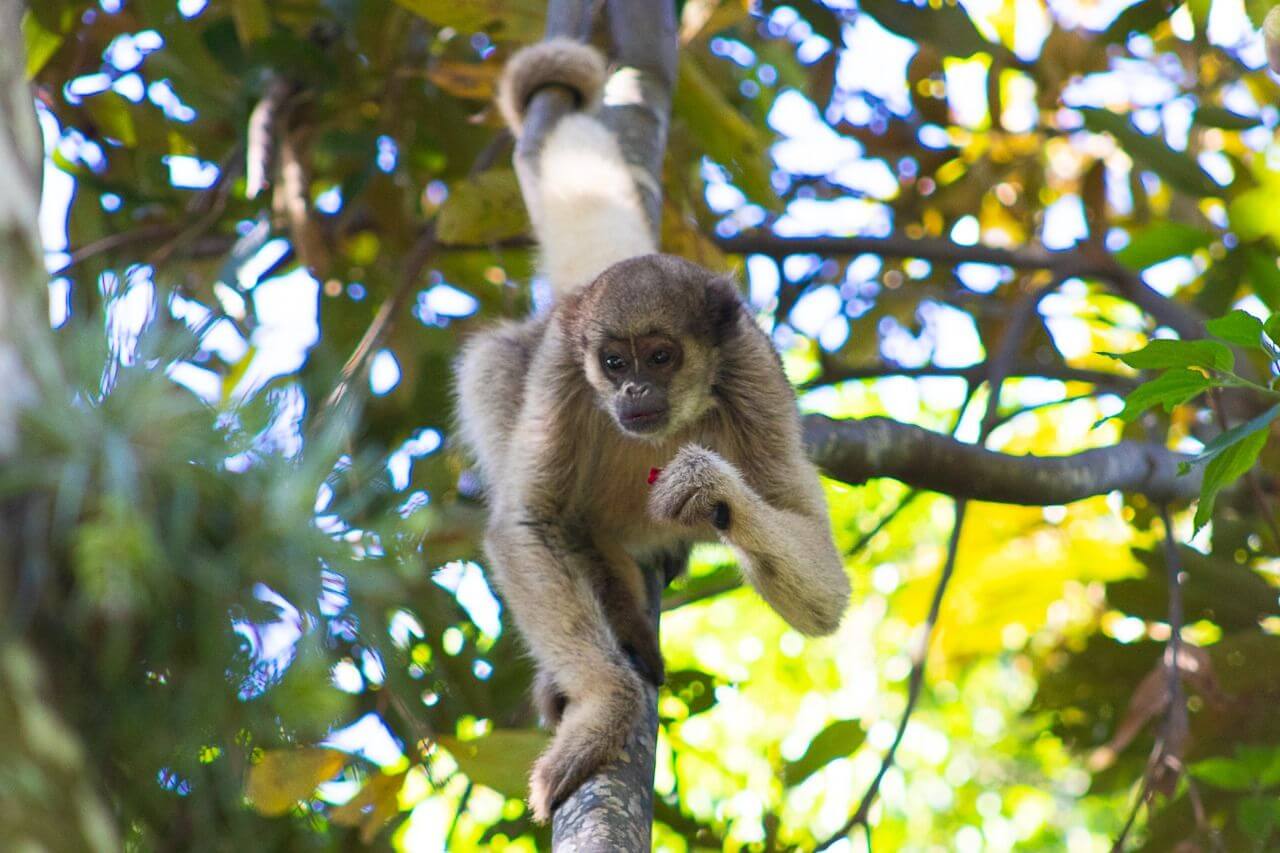
Once again, the Ibiti Project demonstrates its efforts and great concern for preserving biodiversity by investing in an unprecedented artificial reproduction project with northern muriquis, the largest primates in the Americas, which are critically endangered. A major challenge that is just beginning.
In July, a team of biologists, veterinarians and other specialists joined the Muriqui Institute of Biodiversity (MIB), totaling 24 professionals, to carry out the first stage of this process with the animals that live at Muriqui House, in Ibiti.
“We collected and stored the semen of the two males, Bertolino and Luna, using advanced technology already applied to farm animals, and we performed a complete check-up on the three females of reproductive age – Socorro, Nena and Ecológica –, which are healthy and ready to receive assisted insemination or in vitro fertilized embryos,” explains Fernanda Tabacow, MIB coordinator. “Our optimistic expectation is to have a pregnant female in two years if everything goes well,” she adds.
Every muriqui counts
This joint effort involves partnerships with the federal universities of Viçosa (MG) and Campo Grande (MS), the NGO Reprocom (specialized in the reproduction of wild mammals to save endangered species), with financial support from the Ibiti Projeto and Funbio.
“What we are doing today is to better understand the biology of these animals and to be able to reactivate the process of reproduction and birth of new offspring, so that the group can grow and we can achieve the ultimate goal, which is to reintroduce them into nature. This is pioneering work and an important step towards the development of studies on artificial reproduction in wild animals,” highlights biologist Fabiano Melo, MIB advisor and professor at UFV.
Today, the northern muriquis live in fragmented forests of the Atlantic Forest, in Minas Gerais and Espírito Santos, with a population reduced to less than a thousand individuals in total.
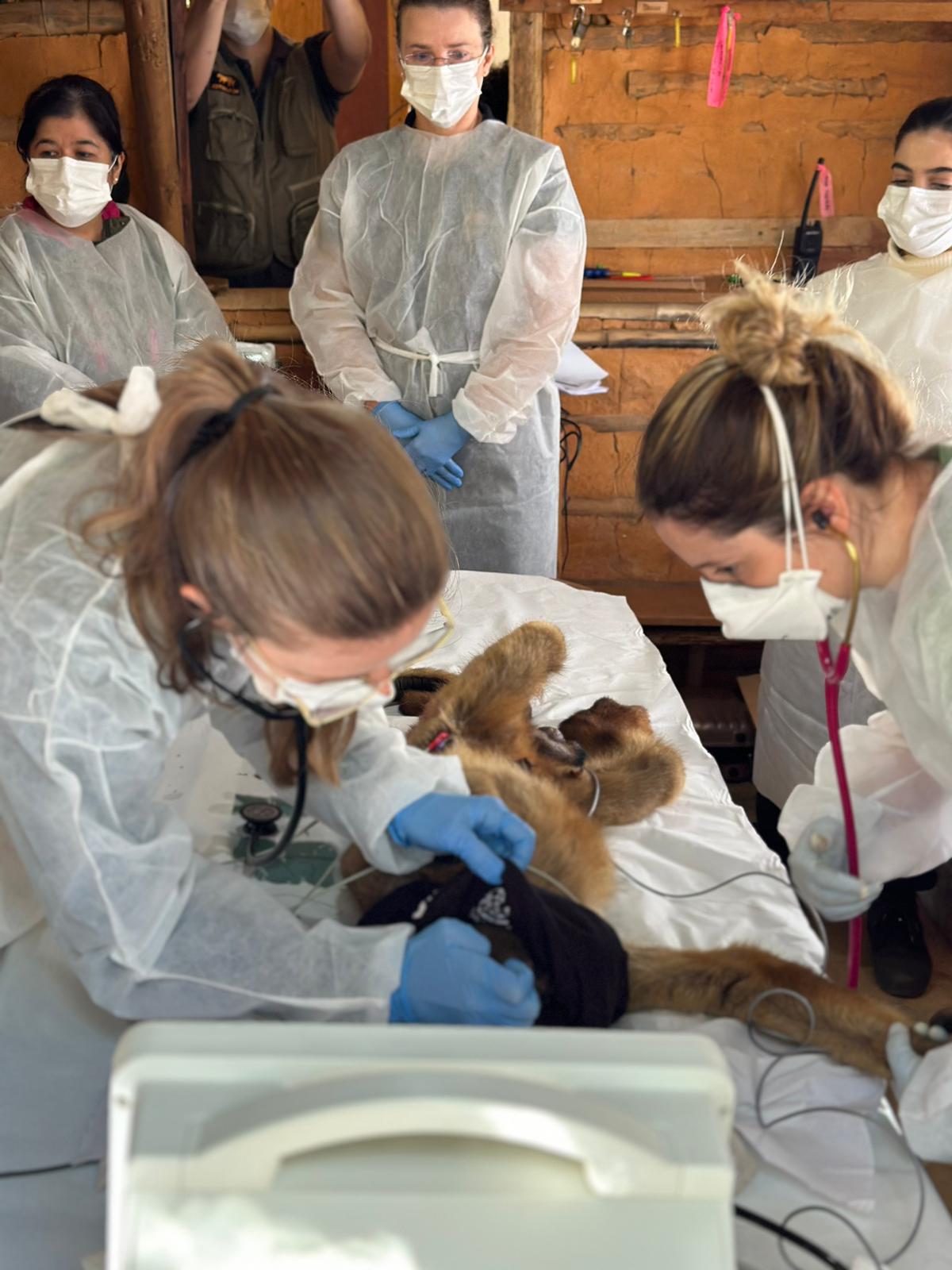
The muriquis from Ibiti underwent blood and imaging tests, among others, for a complete health assessment