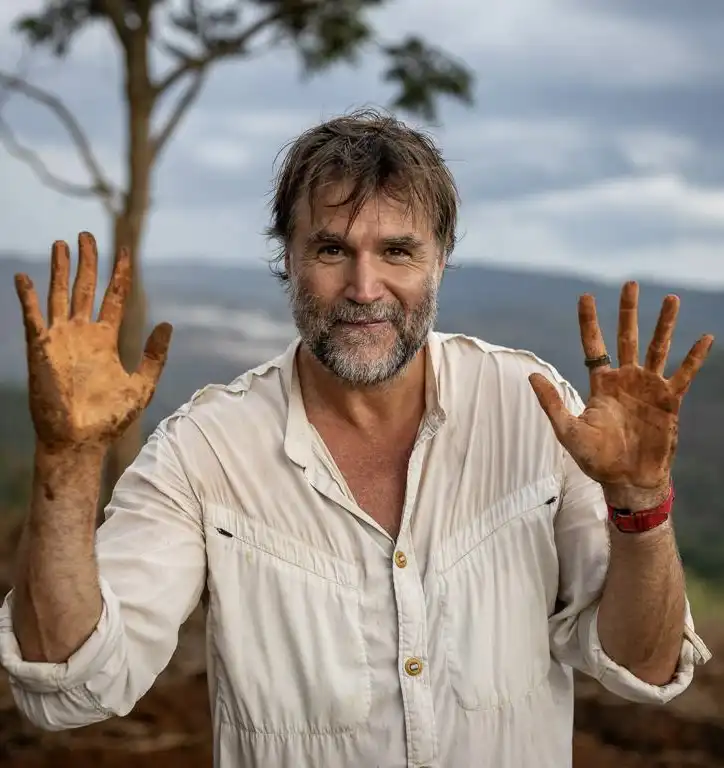
Henry Cookson has camped with a group of tourists inside a volcano in the Galapagos Islands, surrounded by giant prehistoric tortoises. He has hiked to the Antarctic Pole of Inaccessibility, where, at 90 degrees below zero, he came face to face with the legendary bust of Lenin. He crossed Greenland from South to North on snowkiting boards. He took Prince Harry and a group of war veterans to the geographic North Pole on the "Walking with the Wounded" expedition. He pioneered taking tourists to Antarctica on a superyacht and in submarines. He led people to climb the heights of Kilimanjaro and Aconcagua. But it was in the Serra do Ibitipoca that the English traveler decided to build his first house from scratch.
“I had no idea of the magic that awaited us,” admits the British explorer, founder of Cookson Adventures, a company specializing in tourism in remote areas or extreme conditions. He discovered Ibiti in July 2023, when he was in Rio de Janeiro for a wedding. “I wasn’t even invited; a friend invited me, and I said, ‘Why not?’ I couldn’t imagine the change it would cause in my life.” Cookson’s friends had planned a two-night stay in a “place in the countryside.” And that place was Ibiti. “Within hours I already felt at home. Something there made me want to belong to that place.”
Although he had been to places seen up close by few human eyes, and had explored the most paradisiacal and challenging landscapes on Earth, Henry Cookson had not yet found that place of belonging. For a long time he had been searching for a place where he felt he “belonged,” that was unique, authentic, endowed with nature, a sense of community, and integrity. According to Cookson, although there are places in the world “more beautiful and with more wildlife and bigger waterfalls,” it’s all a matter of balance. And in that balance, the existence of a community led by the “visionary Renato (Machado), who brought together passionate people,” weighed in favor of Ibiti.
More than just an "enthusiastic foreigner"“
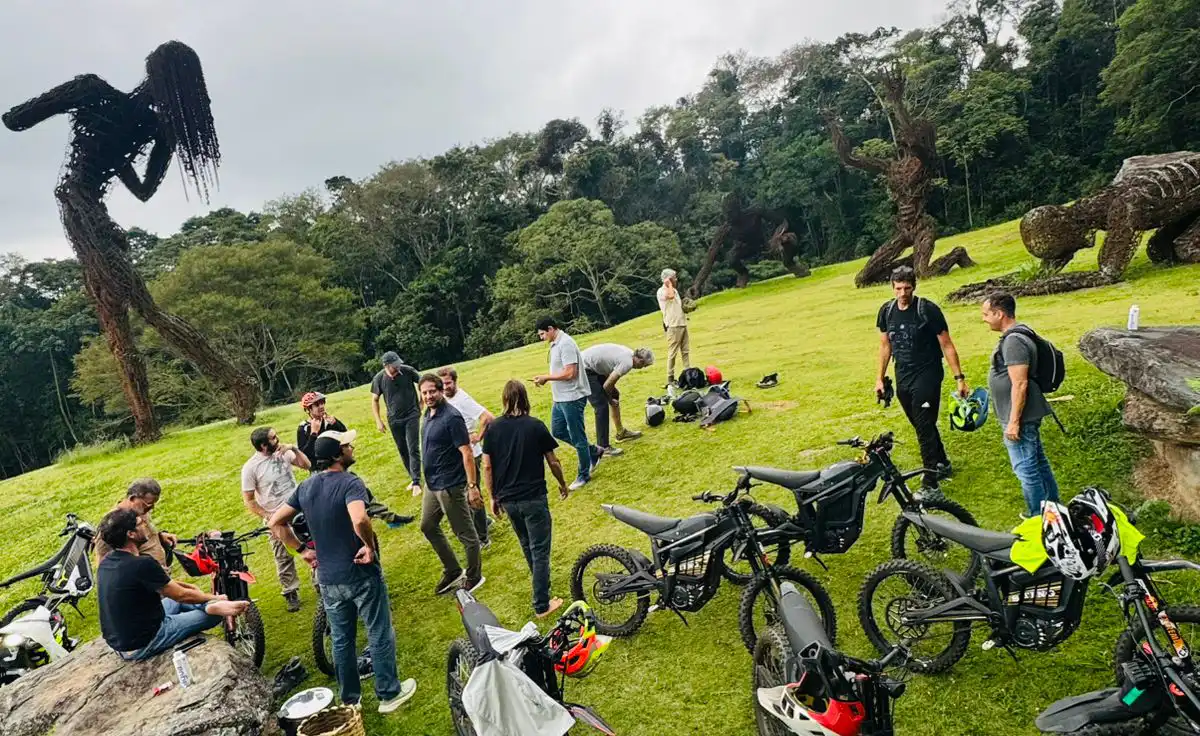
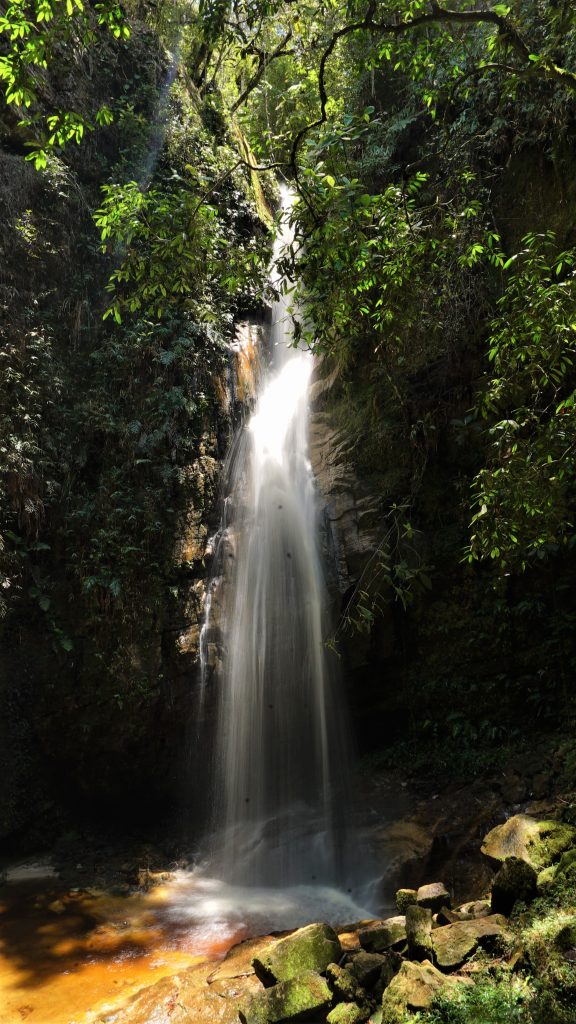
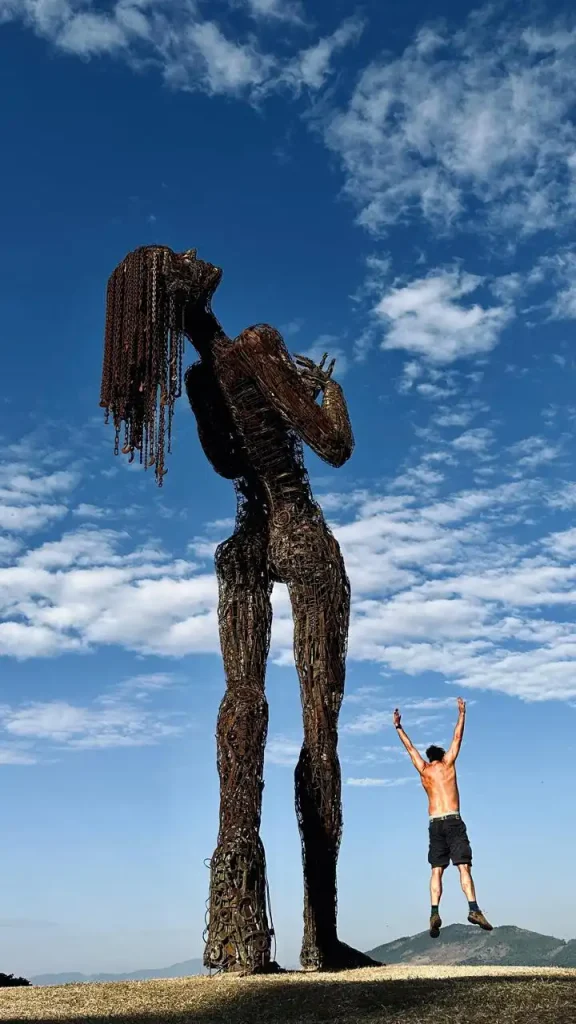
Henry Cookson fell in love at first sight with Ibiti, this “little paradise,” in his words. “I spoke of my intentions with Renato on my first visit, but he must have thought, ‘oh, it’s just a foreigner who’s excited.’ But a week later I was already on the phone with him, and he invited me to come back. After that, in two years I’ve already been back eight or nine times.” During his stays in Ibiti, Cookson stays for ten days, two, three weeks, but “it’s never enough.” That’s why he decided to build a house. “Ibiti is a combination of art, the philosophy behind it all, nature, bringing life back, and the wonderful people who work there and are a true community. It’s a model of how society should really be.”
Invited to become part of the Ibiti family, the adventurer was encouraged to find a location that felt right to him. Cookson spent many days and hours exploring the landscape, getting lost and finding “dead ends.” He wants to build the house not only for himself, but to welcome friends and “interesting people” from all over the world, so they can share the vision and philosophy of Ibiti. He believes this way of life is “essential for the future of who we are as a species.” Cookson is in no hurry. He just wants to make sure he does the right thing.
“When I describe Ibiti to friends, I say it’s the Goldilocks Zone of life: a term scientists use for planets found in the universe that are ideal for sustaining life. Ibiti isn’t too fancy, it isn’t too hippie, it’s simply the perfect spot in so many ways: the people, the art, the nature. It’s not wild enough to be uncomfortable to adapt to, nor too remote to feel isolated from so-called civilization, but still, you feel like you’re in a bubble protected from the chaos of the rest of the world. The people there are also wonderful, so kind and helpful, a true community of souls united in a vision of how we should treat each other, how we should put down our cell phones and reconnect with ourselves and with nature.”.
From the British countryside to Antarctica
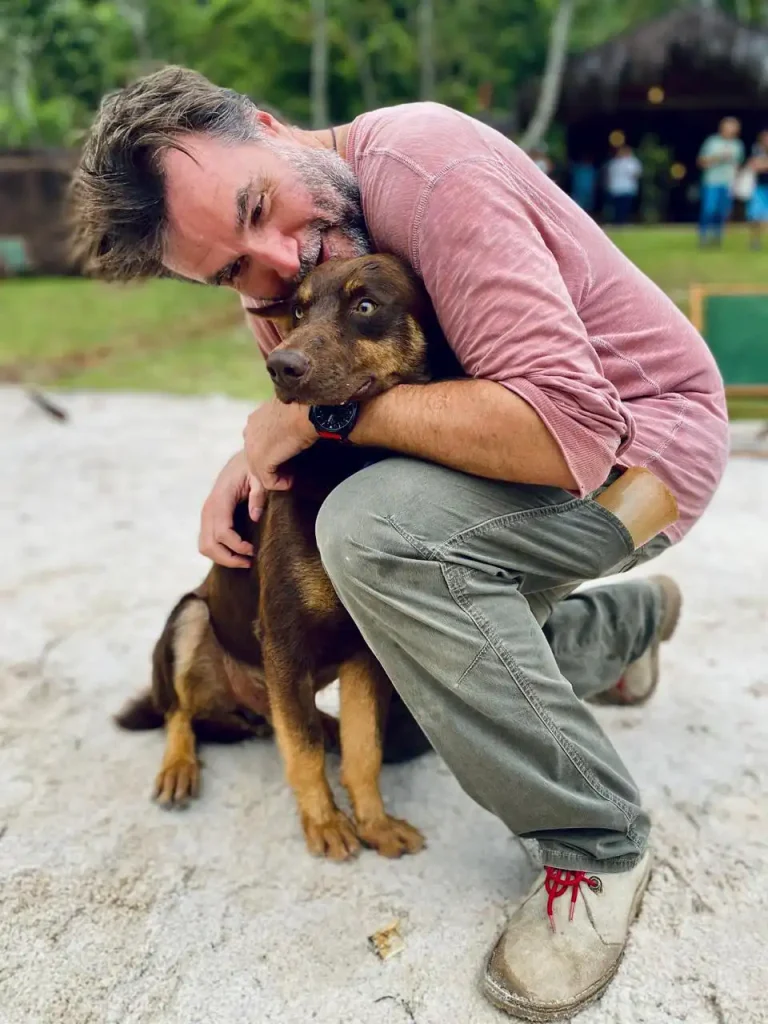
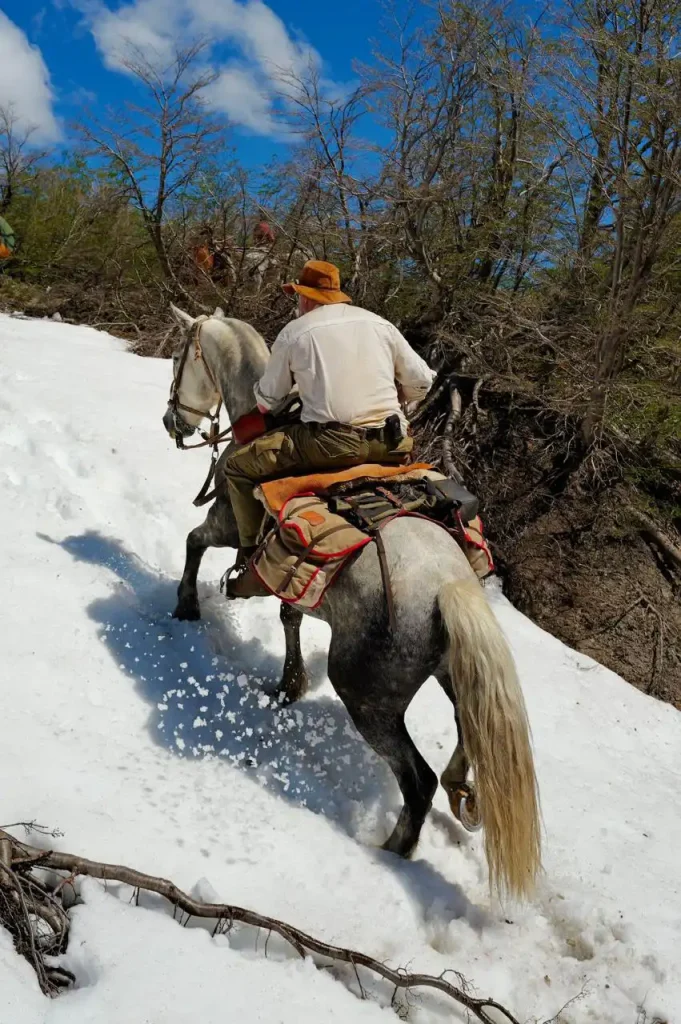
Henry Cookson's connection with nature began in his childhood in Wiltshire, in rural England. "My friends and I used to build houses in trees and jump over bushes," recalls the explorer. As a teenager, he traveled to Kenya and lived with local tribes and animals on the Laikipia Plateau, an experience that ignited his connection with the natural world.
After high school, he worked as a safari guide in the Masai Mara Reserve, an experience that planted the seed of adventure and made him realize that life could be much more than an office. Even so, he followed the conventional path: he studied, joined Goldman Sachs, and hated every minute of it. "After three years, I quit, determined to follow my dream," he says.
Fate changed one night fueled by whiskey when, on a whim, he signed up for a ski race to the magnetic North Pole. Against all odds, he won, and the feat took him to Antarctica, where, in 2007, he reached the Pole of Inaccessibility and entered the Guinness Book of Records.
From then on, he dedicated himself to exploring and guiding other adventurers around the world. His success led him to found Cookson Adventures.
Debt to the Earth
Many of Cookson's clients are families who go on sabbatical trips around the world, like one who sailed on a 60-meter yacht for five years after selling their business. “We always try to link the issue of conservation and give back through our journeys. We are privileged to have very powerful, wealthy, and influential people among our clients, and we try to educate them about the fragility and importance of nurturing and caring for our planet and human beings.” In this commitment to the planet, Cookson Adventures funds projects in Antarctica and Africa. Because of everything he has experienced and everything he believes in, Henry Cookson sees Ibiti as an ally in the commitment to restoring the planet, influencing people who can make a difference. “Ibiti is an experiment that nurtures what is truly important to human beings, away from the distractions that tell us what to buy or where to be. It's about being authentic, connecting with others and with nature, and sharing art, poetry, and philosophy. That, for me, is living.”