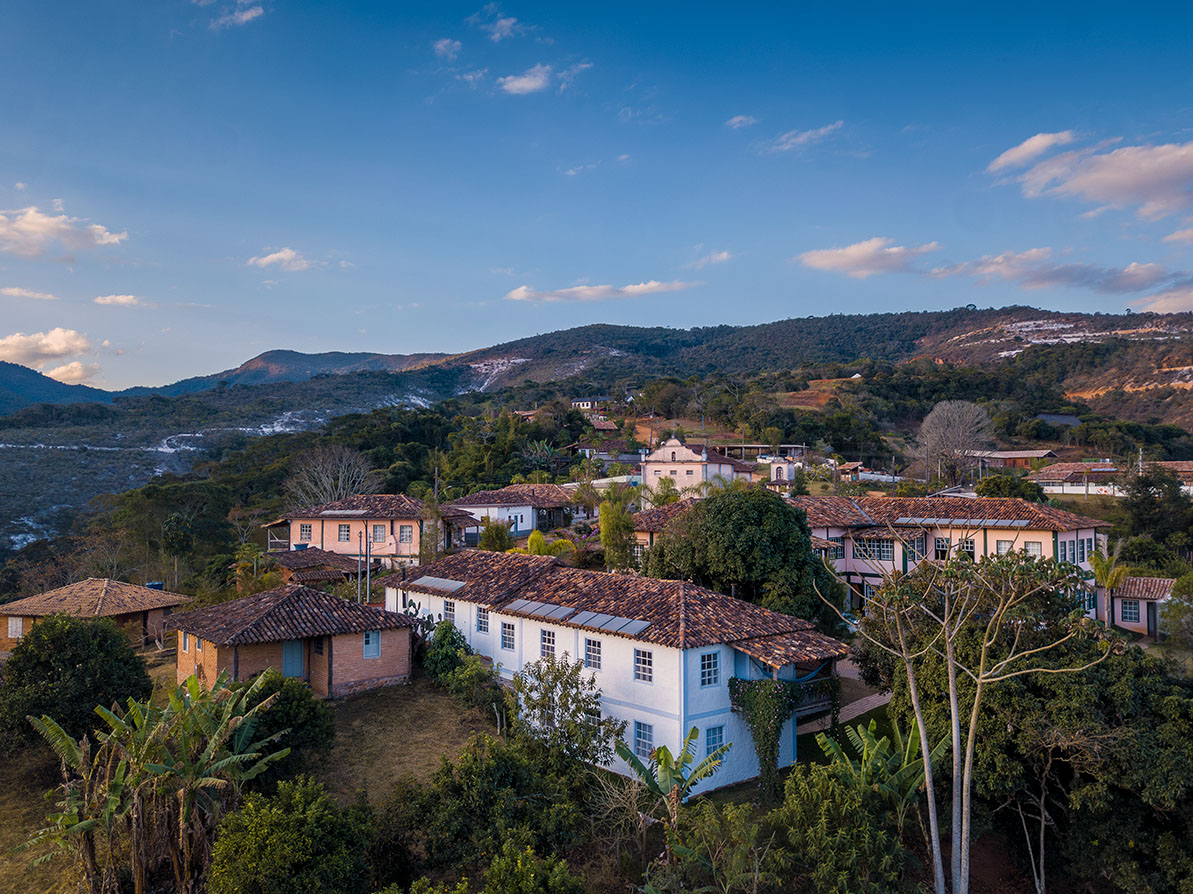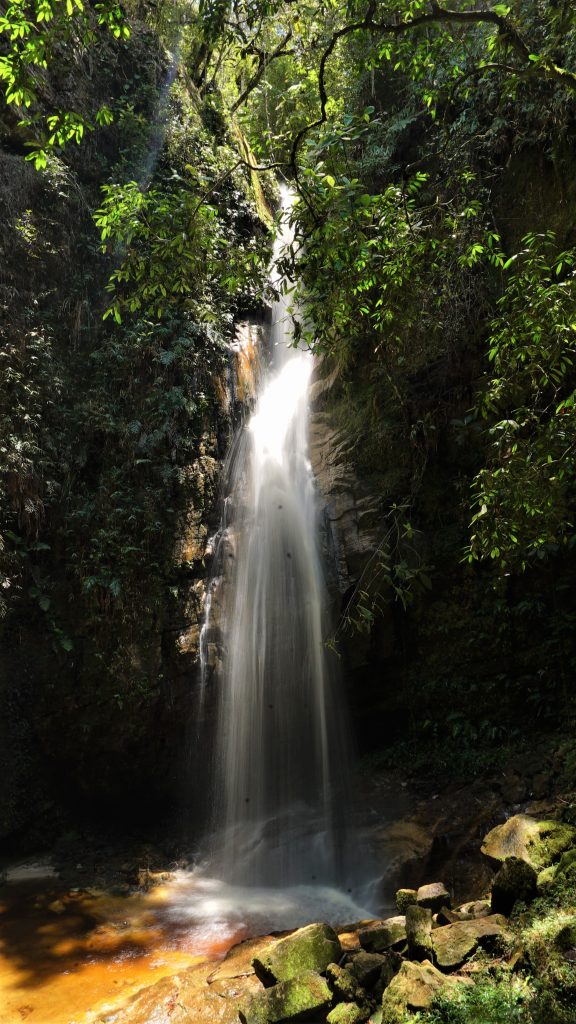
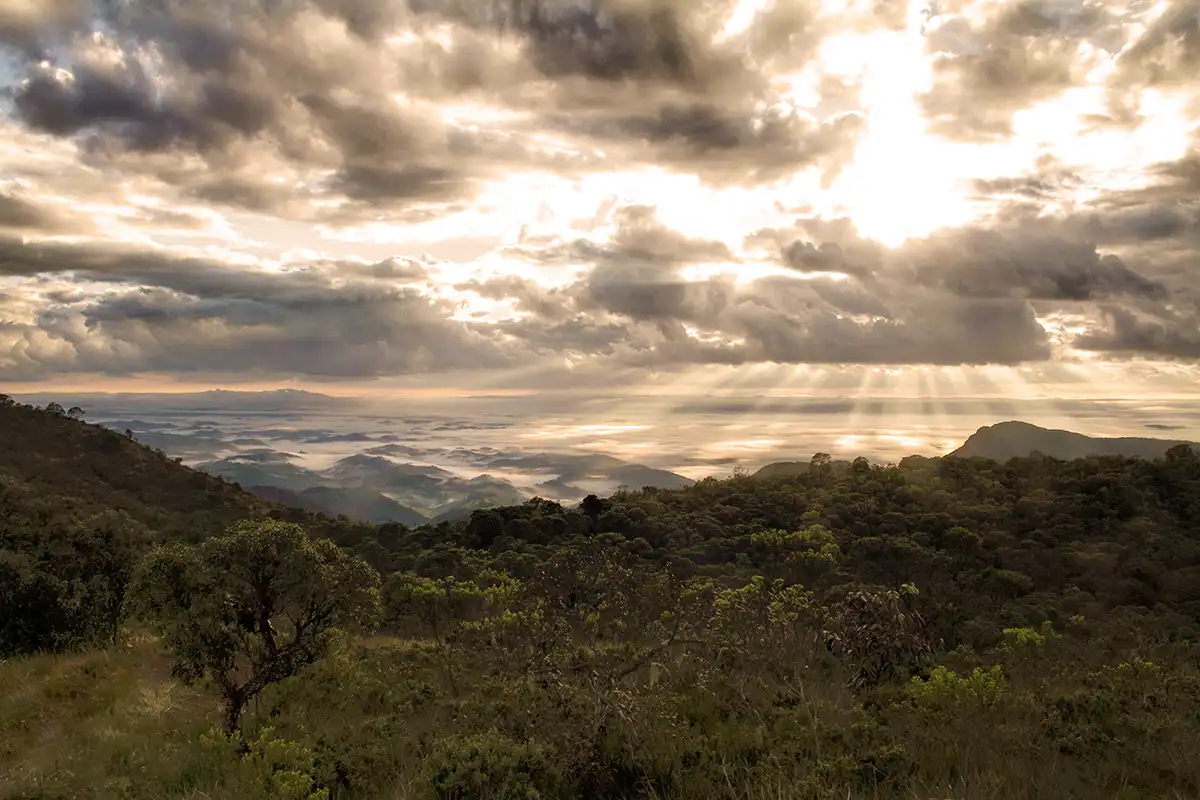
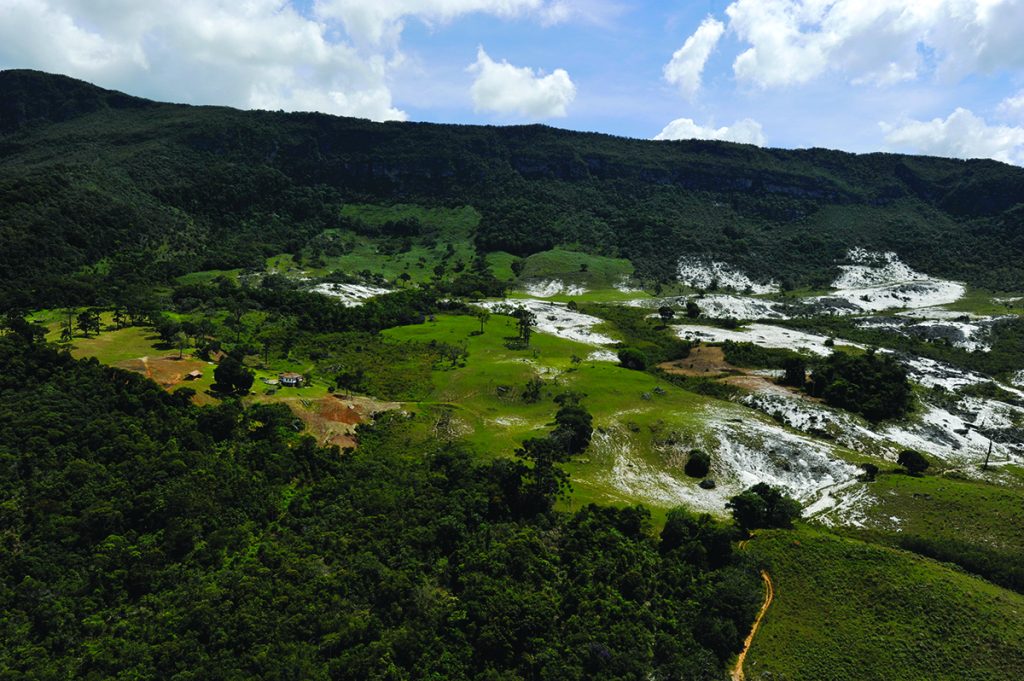
For centuries, the Atlantic Forest has been pressured by human occupation, livestock farming and monocultures. Around Ibitipoca it was no different: pastures replaced the forest and with them came the isolation of the fragments and the loss of biodiversity. But where many saw degradation and abandonment, Ibiti Projeto decided to bet on nature's time. And with that, it promoted a silent revolution. Forty years on, the results are there for all to see. The inhabitants of the region recognize the fruits of this work in the invigorated landscape. This perception is now backed up by the figures in the technical report “Temporal analysis to characterize land use and vegetation cover”, based on images from the Sentinel 2 satellite.
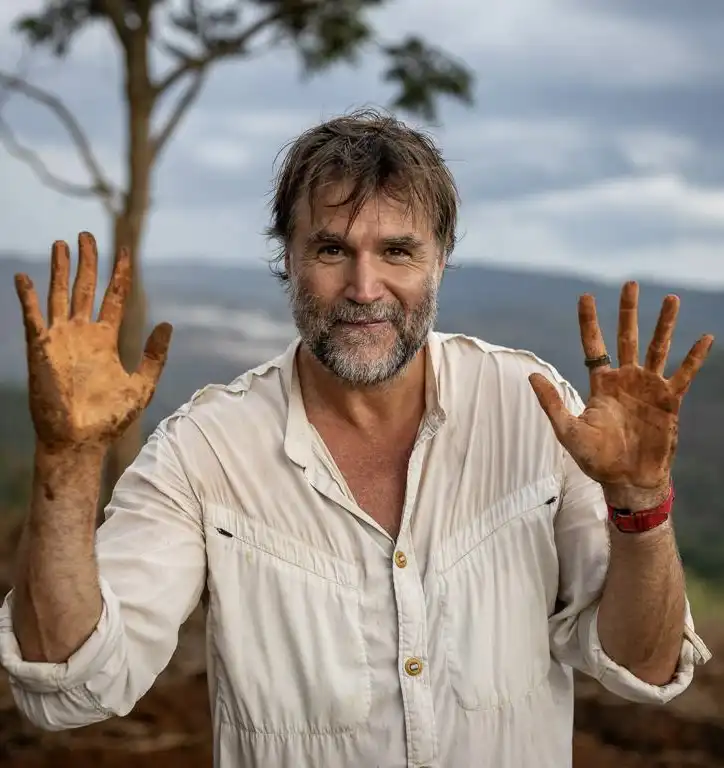
The document by Bioflore, a company specializing in environmental monitoring, commissioned by Ibiti, revealed that more than 1,200 hectares of new forest have grown in the territory, equivalent to almost the size of the entire Ibitipoca State Park (1,488 hectares). These figures are the effects of an innovative conservation proposal, in the view of Heitor Filpi, CEO and co-founder of Bioflore. “From the point of view of conservation, it was a super innovative proposal, because they bought up the surrounding farms, which were no longer making much profit, and promoted this regeneration,” he observes. “And then this process of vegetation regeneration began, because the livestock was leaving with the farms. And the fauna, as we can already see in that region, is also coming back.”
Regenerating is revolutionary
✔️ 96% of Ibiti's total territory (5,906 hectares) is under regeneration
✔️ 62% of this total is covered by native forests
✔️ 21% are occupied by candeal (a forest formation typical of high-altitude fields, with trees of short stature, predominantly the candeia species).
✔️ Only 15.2% is pasture, and less than 1% is occupied by improvements, roads and bodies of water.
✔️ 63% of the vegetation is over 38 years old, an indication of ecological stability and high conservation value.
✔️ 1,281 hectares (equivalent to 85% of the Ibitipoca State Park area) have been continuously regenerated since 1985, transforming degraded areas into interconnected forest corridors.
✔️ More than 1,600 hectares of core areas (central parts of the fragments most protected from human interference) in 40 years
✔️ Conservation Index* rose from 48 (1985) to 67 (2023)
* Bioflore's Conservation Status Index (IEC) is calculated using remote sensing and geotechnologies. The same study indicates that, without Ibiti, the region would today have less vegetation cover, less connectivity and greater fragmentation. In the surrounding area, while forest regeneration amounted to 5,322 hectares, deforestation amounted to 3,738 hectares. Within Ibiti, regeneration far outstripped losses.
Regeneration model
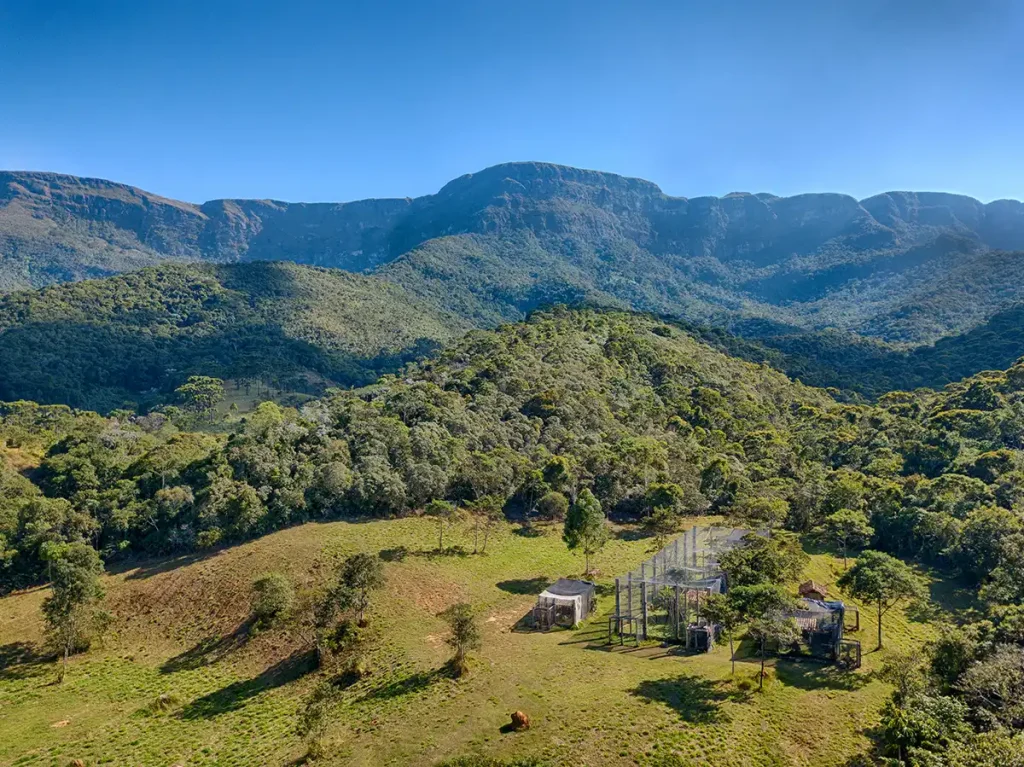
The report is the product of the first part of Bioflore's work, which consisted of “estimating and reporting the positive impacts generated by conservation and preservation efforts”. A field investigation will follow in 2026 to complement the research.
The results showed that previously isolated fragments became connected, central areas expanded, and the so-called “edge effect” decreased. What had seemed unfeasible became a model for regeneration. “It was a very positive surprise,” says Bruno Nani, Bioflore's CMO.
“We already knew about the importance of the Atlantic Forest, but to see how far Ibiti has come in that time is impressive. We're talking about a global biodiversity hotspot, where natural regeneration has been embraced as a life project.”
The report also highlights that the absence of the Ibiti Project, in a hypothetical scenario, would result in a drastic loss of natural vegetation, fragmentation, connectivity and core areas, reinforcing its fundamental importance for the environmental integrity of the region.
What is edge effect?
The edge effect is the set of physical, chemical and biological changes that occur in the transition region (or “edge”) between two different types of ecosystems (such as a forest and a pasture or deforested area). This transition creates an environment with intermediate or completely new characteristics, which can be detrimental to the quality of the original forest habitat. Bioflore's report showed that, with the conservation work carried out for decades by Ibiti Projeto, the edge effect has been significantly reduced in the region.
Ibiti Regenera
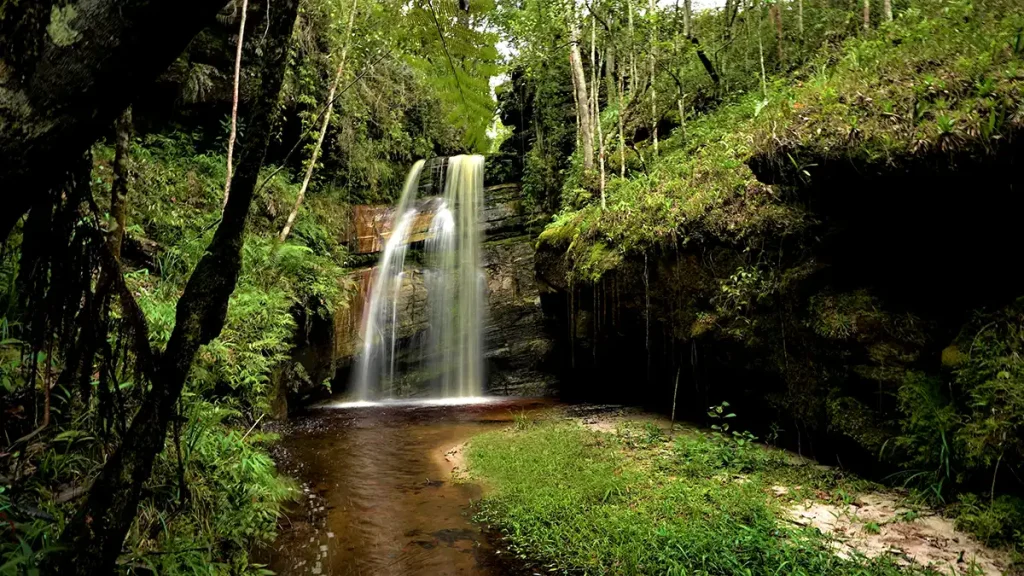
For Clariane Maranho, a biologist at Ibiti, transforming the perception of this regeneration, shared by the mountain's oldest inhabitants, into measurable data was a decisive step. “Those who live here could already see the change: the return of the animals, the forest growing where it used to be pasture. But we needed figures to give us credibility and transparency,” he explains.
Thus was born Ibiti Regenera, an initiative that seeks to neutralize the environmental footprint of guests and employees and, at the same time, financially support conservation projects. Neutralizing carbon here means more than offsetting emissions: it means restoring ecosystems, strengthening communities and building a new model of coexistence with the Earth.
“It's not just about carbon,” emphasizes Clariane. “It's about keeping our fauna reintroduction, soil recovery, firefighting and waste management programs alive. Ibiti Regenera is the way to continue this care.”
The landscape around Ibiti still reveals scars: degraded areas, erosion, small patches of forest. “It was a region marked by coffee-growing and then cattle-raising, activities that had no vocation for that soil,” explains Heitor Filpi. “This hinders natural regeneration and compromises the water and ecological balance.”
It is against this backdrop that Ibiti stands out as a living laboratory. “What we see here is revolutionary, because it's not just about preserving what's left, but restoring it,” adds Heitor. “And restoring on a large scale, showing that it is possible to return the forest to its place of origin.”
Forest gardener
Among the stories that help to understand the impact of the report is that of the paca, a discreet and nocturnal animal, which, by burying seeds, ensures that new trees will sprout in the future. It is, to a certain extent, a metaphor for Ibiti Regenera itself. “It needs continuous shade, it doesn't go through large clearings. That's why the more connected it is to the forest, the greater the species” chances of survival," explains Clariane. Over the last 38 years, the regeneration promoted by Ibiti has created new paths for the paca. Fragments that were once barriers have become passageways. For every fruit forgotten in the damp soil, a tree can be born. It's a small, almost invisible gesture, but it symbolizes the cycle of reciprocity: the forest feeds the paca, and the paca helps the forest to be reborn.
“Earth Hospital”
The idea of transforming Ibiti into an “Earth Hospital” is ultimately what drives the project. More than conservation, the aim is to offer an inspiring model that can be adapted to other landscapes. “Each place has its own particularities, but Ibiti can share lessons and show that it is possible to reconcile regeneration with income generation and well-being,” says Heitor.
It's not a simple task, and the challenge is to make this model scalable. But the first fruits are already visible. “The numbers are even better than I imagined,” admits Clariane. “If we thought it would take centuries to see significant changes, what we've found in just four decades gives us breath and hope.”
Next steps
Bioflore's next steps consist of fieldwork that should be carried out in the first half of 2026, considered the crucial stage that will validate the data obtained via satellite. Heitor Filpi explained that the team will take biologists and forestry engineers to the region to “collect information on floristic composition, species diversity” and to assess the stages of ecological succession in situ. This validation is essential to refine the results already observed, he said.
At the same time, another team will be using a state-of-the-art system: the LiDAR (Light Detection and Ranging) drone. This drone is capable of generating a three-dimensional view of the forest, which makes it possible to measure the carbon stock, biomass and volume of vegetation with unprecedented precision. Bioflore will also invest in the creation of artificial intelligence models.
According to Bruno Nani, these models, trained with ultra-high resolution images, will be able to “detect tree species” and spatialize this information, which, for Ibiti, is essential for a management plan, including the mapping of “seed collection matrices” and progress in reforestation programs.
Symbol of resistance
More than a recovered territory, the figures in the first report presented show that Ibiti is consolidating itself as a symbol of resistance and reinvention. Every hectare regenerated is a gesture of care; every animal that returns is a sign of restored balance. And if the paca, the forest's silent gardener, has found new paths to follow, it's because regeneration is no longer just a dream, but a tangible and measurable reality. A reality that reminds us that, faced with a wounded planet, regenerating is indeed revolutionary.
Actions that help nature regain its place

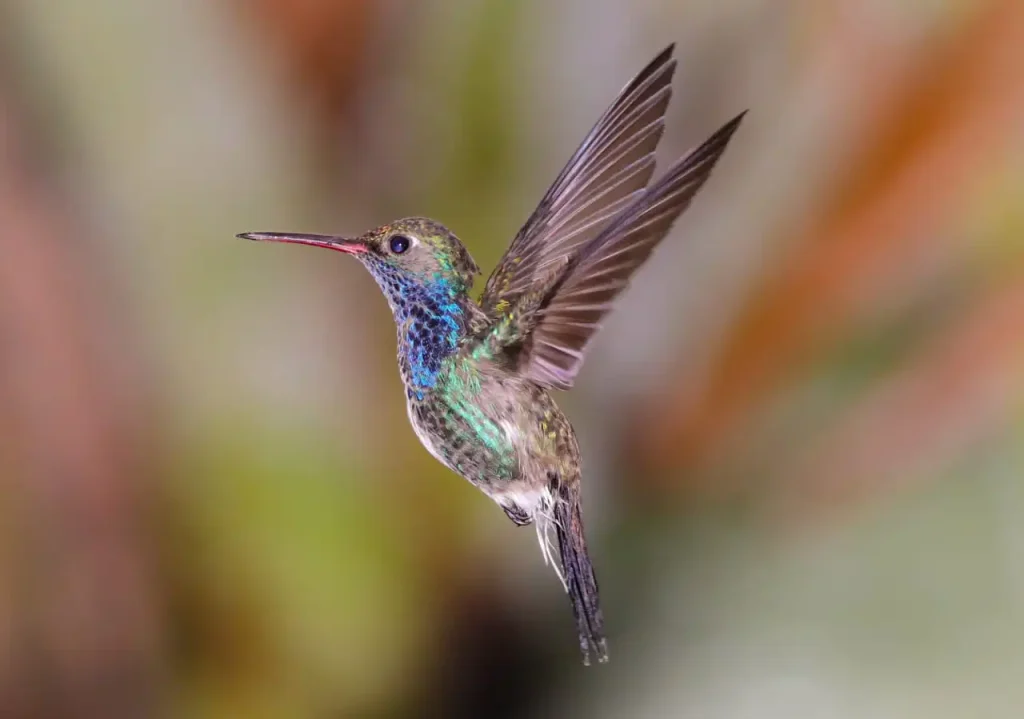
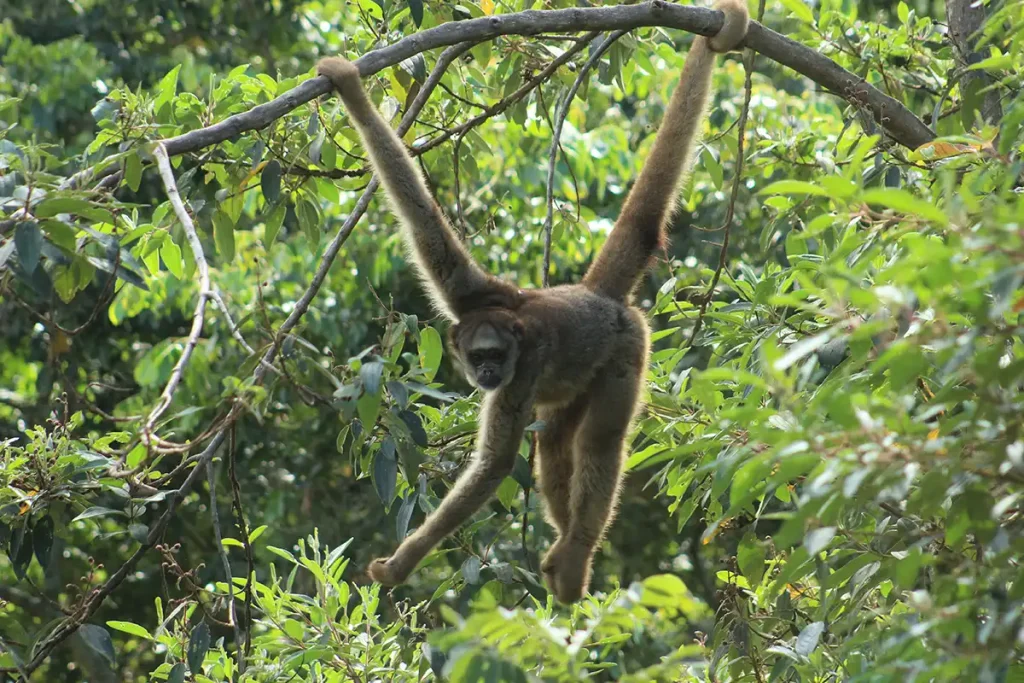
- Learn about some of the important rewilding strategies adopted by Ibiti to boost the forest restoration process
- Reintroduction of 30 jacutingas, native birds that were extinct locally and play an essential role as seed dispersers
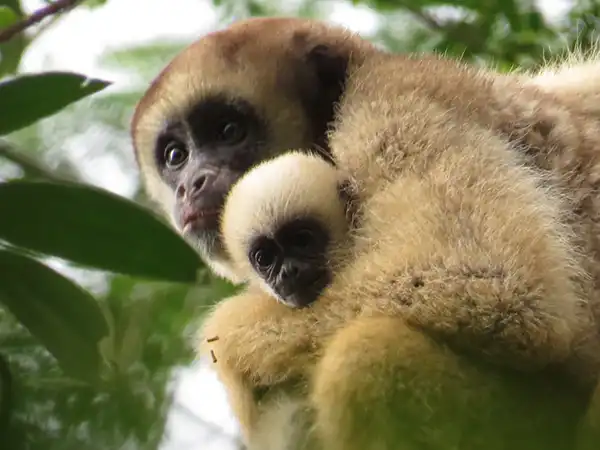
- The Muriqui House Project, a pioneer in Brazil, works to recover and rehabilitate individuals of the northern muriqui, an endangered species. The project has already recorded the birth of a cub under monitoring in a protected environment
Systematic planting of juçara palms, a key species for local fauna, especially birds and primates